The Friends apartment floor plan, fixed: 5 things wrong with Monica and Rachel's layout
The short answer: The apartment's bones are fine. The problems are placement: a table anchored to nothing, seating crammed together, a desk in everyone's sightline, a front door aimed straight at the sofa, and storage too small for real life. Every fix is furniture, not renovation.
Monica’s and Rachel’s apartment from Friends has decent bones, but the layout fights against how they actually live there. The main problem isn’t the bones themselves, it’s how the furniture sits in the space. A floating kitchen table that nobody uses, seating areas crammed together, a desk in plain sight from everywhere, and a sofa positioned so that energy from the entryway shoots straight at where you’re trying to relax. These aren’t small annoyances. They’re the difference between a room that works and one that constantly feels off.
The good news: you can fix a room like this without moving walls or knocking out a kitchen. You need to understand what’s actually happening when furniture floats, when sight lines get blocked, and when you don’t have real barriers between yourself and whoever’s walking past. Once you do, you can apply these fixes to your own place, whether you’re in a New York apartment or anywhere else.
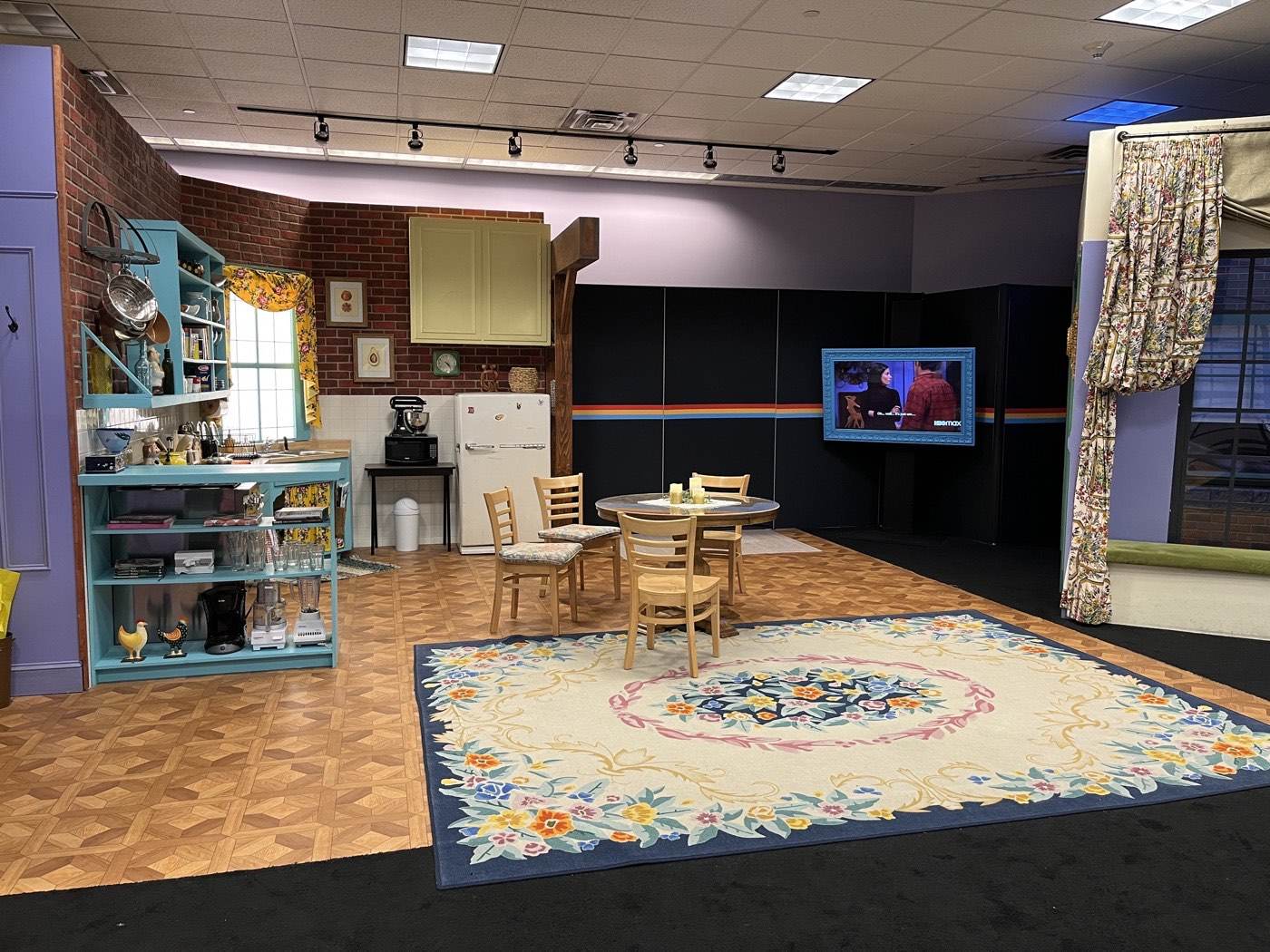

The kitchen table that sits uselessly between two spaces
A small table parked between the kitchen and the living room feels like a compromise, but it’s a compromise that serves nobody. It’s too close to the kitchen to feel like a real dining area. It’s too awkward to the sofa to be a side table. So it just sits there, taking up space and breaking the flow of the room.
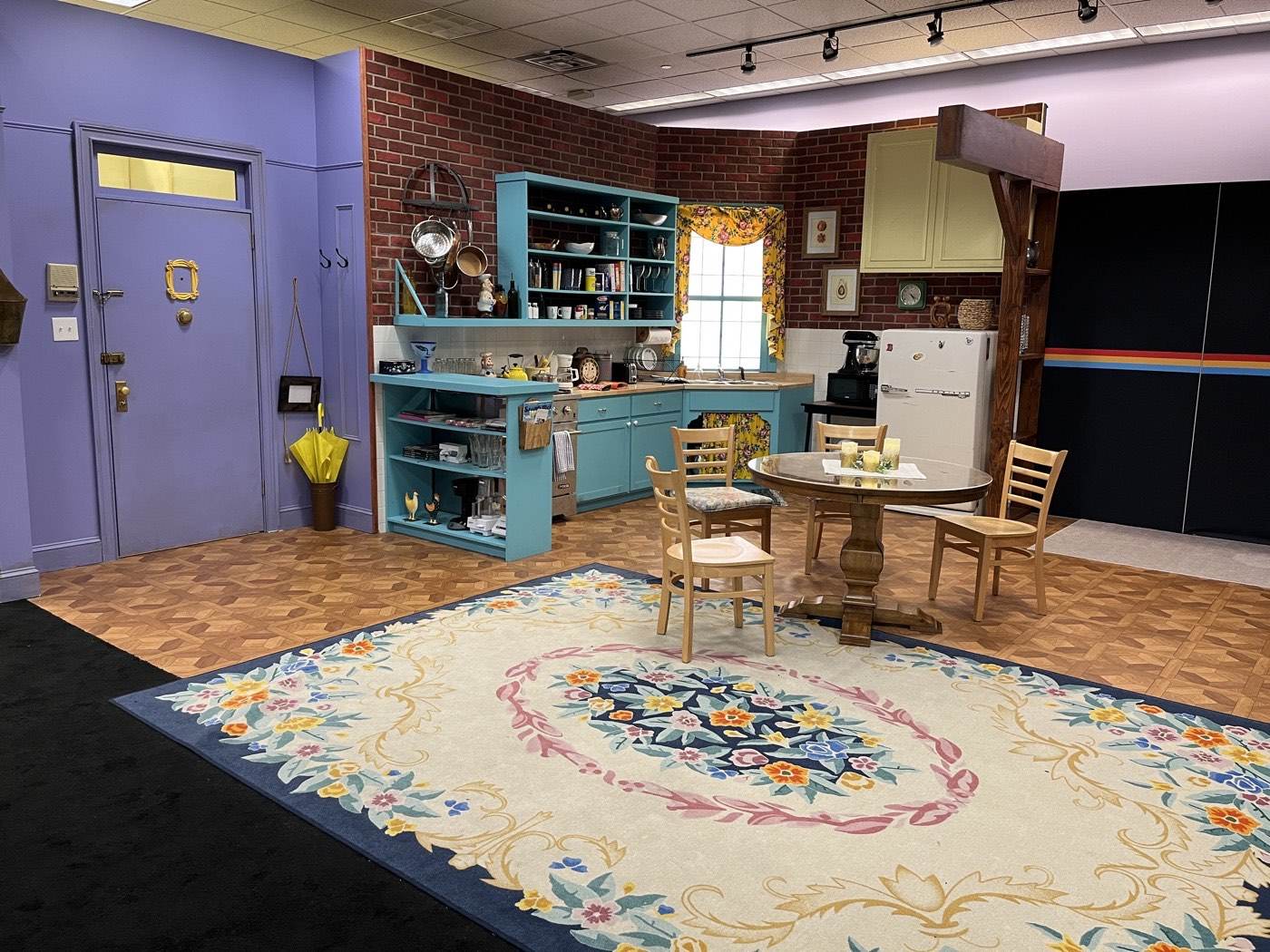

The root of this problem is that the table isn’t anchored to anything. It doesn’t belong to the kitchen zone or the living room zone; it exists in a kind of neutral limbo. In feng shui terms, this matters because unanchored furniture reads as unstable and scattered. More practically, your brain reads it as clutter, not furniture. Your eyes keep landing on it without knowing why.
The fix is to commit. Either extend the kitchen counter so you can sit there and actually eat as part of the kitchen, or pull a real dining table into a defined spot near the sofa with good access to the kitchen. If you’re tight on space, a bench along one wall with a table in front of it gives you seating for guests at dinner without floating a piece of furniture in the middle of nowhere. The moment you give the table a reason to be there, anchored to the kitchen, anchored to a wall, anchored to a defined dining zone, it stops feeling like an accident and starts feeling like part of the room.
When seating areas fight each other for the same space
Monica and Rachel have a sofa and lounge chairs all jockeying for position in the living room, and they’re too close together. You end up with what looks like competing seating rather than a cohesive place to gather. Nobody’s happy because nobody has their own zone. Someone sitting on the sofa can’t stretch their legs. Someone in a chair feels like they’re intruding on the sofa person’s space. The furniture is so tangled together that it becomes background noise rather than inviting.
The classical feng shui principle here relates to how we experience safety in a room. We relax when we can see what’s coming (prospect) and have solid support behind us (refuge). If you’re wedged between two other pieces of furniture, you’ve got neither. You’re exposed from multiple angles and trapped in a corner. Your body knows it.
The practical fix is simpler than it sounds: keep one seating arrangement, and move or remove the rest. If a sofa is your anchor, keep the sofa and one good lounge chair positioned so they face each other or angle toward a shared table, with space to move between them. If you’ve got multiple chairs fighting for position, remove the ones you don’t actually sit in. A room with breathing room and clear zones always feels bigger and more relaxing than a room stuffed with furniture because someone felt obligated to own a certain number of pieces.
The desk that’s visible from everywhere
A desk tucked into a living room corner where anyone walking through can see what you’re working on is a desk that won’t get used. Not because the spot is uncomfortable, but because you can’t focus. Your attention splits between your work and the awareness that you’re being watched. Someone making tea in the kitchen, someone walking to the bathroom, anyone glancing over, they’re all pulling your focus.
This ties directly to the commanding position principle. A proper desk placement lets you see who’s entering the room while having your back protected by a wall or a tall piece of furniture. A desk shoved into the middle of a room where everyone can see you does the opposite. You’re exposed. Your back is open to foot traffic.
The solution is to move the desk out of the main living area if you can, even just into a corner where it has a wall behind it and a view of the door. If your layout doesn’t allow that, create privacy with a tall bookcase or console positioned between the desk and the main seating area. The bookcase doesn’t have to block the entire desk, just enough to break the direct sightline and give yourself a psychological boundary. You need to feel like you’re in your own zone, separate from the living room buzz, even if you’re physically in the same room. We covered the same principle for beds in where to put your bed.
When energy from the front door shoots straight to your sofa
Monica and Rachel’s sofa sits in a line with their front door. Anyone opening that door creates a direct sightline straight at where they’re trying to relax. This is where the classical term piercing hall (穿堂煞, chuan tang sha) applies: when the front door aims directly at the main living space, energy rushes straight through instead of settling. Practically, it means you’re constantly aware of the door. Someone comes home, goes out, gets a package, and your attention snaps there every time. You can’t sink into a movie or a conversation.
The traditional feng shui cure is to slow that energy with a barrier. You don’t need a full wall or a heavy screen. A console table, a narrow bookcase, a curtain, even a tall plant positioned between the door and the sofa will do it. The barrier breaks the straight line so that energy (and your awareness) has to curve around it instead of rushing straight at you.
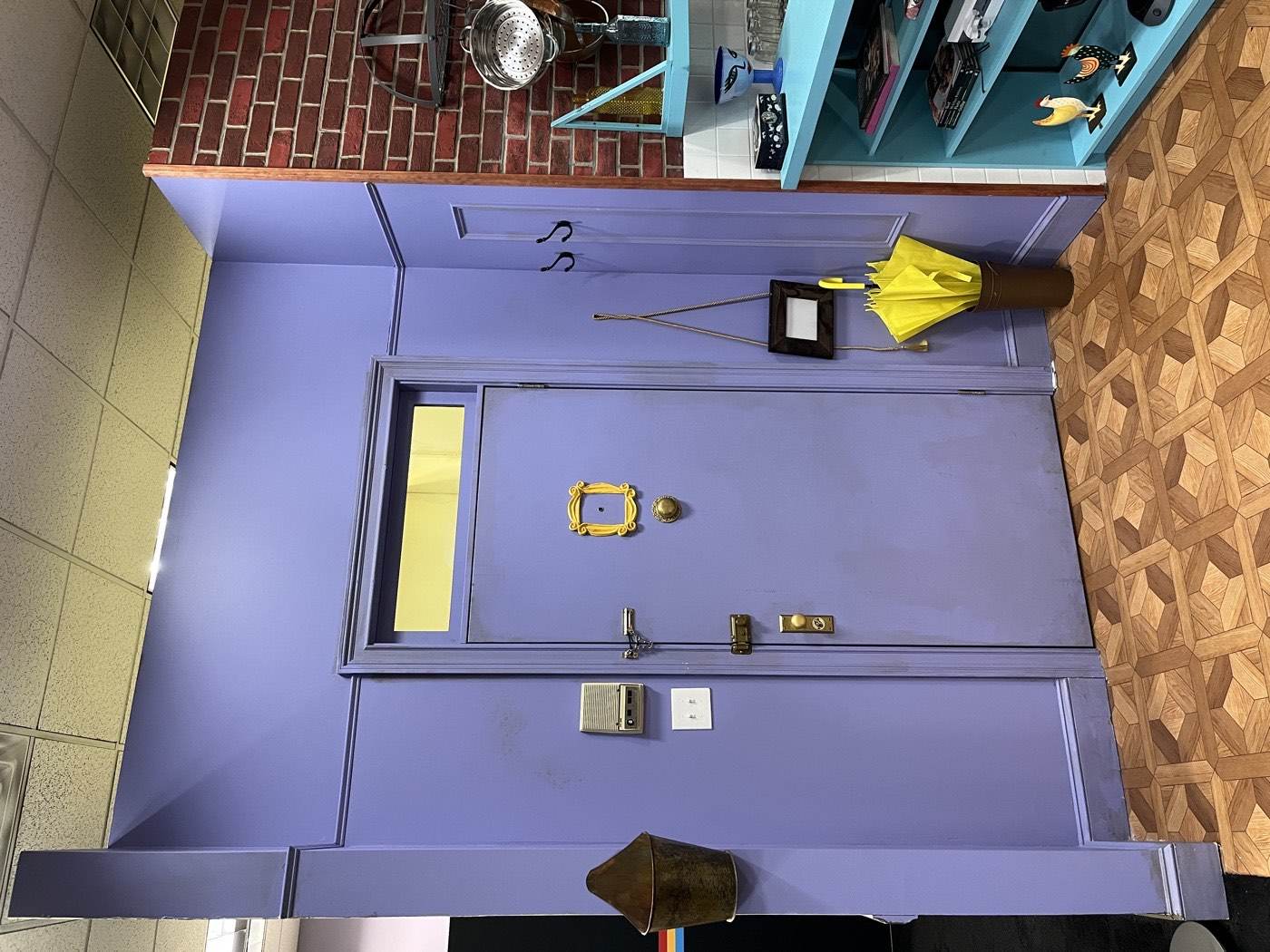

In practical terms, a narrow console or small bookcase right inside the door or along the wall creates an intentional landing zone. Your eye settles there first instead of sailing straight across to the sofa. It also gives you a place to set keys or mail, which anchors that zone as an entryway rather than letting it blur into the living room. If you can’t put anything in the middle of the floor, a tall, narrow bookcase against the wall nearest the door works the same way. The goal is a visual break that resets the trajectory. This is the same move we walk through room by room in the entryway guide.
Bedroom storage that actually matches what you’re storing
Monica’s original dresser was too small for a woman in New York. A typical bedroom dresser is often styled to look light and take up less visual weight, but if you’re actually living there with actual clothes, it becomes a bottleneck. Clothes pile on top of it. Your closet overflows. Nothing fits where it’s supposed to, so everything feels chaotic.
The fix isn’t a design move, it’s a practical one: give yourself enough drawer space for what you actually own. A second dresser, a console with storage, even a low cabinet along the wall that you can top with a mirror, anything that gives your clothes a real home means your bedroom stops being a dumping ground. Feng shui aside, when your storage matches your stuff, the room feels in order instead of constantly stuffed.
Pair that with a desk or work surface that has its own clear spot, ideally against a wall with a view of the door so you can work without feeling interrupted. The moment everything has a zone and a place, the room settles. The furniture stops competing and starts supporting.
A small piece that anchors everything else
One of the most effective moves in a living room is a small cupboard or console placed strategically to anchor a sofa and shield it from direct sight lines. This is small but does heavy lifting. A piece of furniture this size positioned to the side of the sofa, where it makes visual sense but serves a real function, grounds the seating area and creates a subtle barrier from activity behind it.
The classical principle at work is that of creating refuge: when you’re sitting on the sofa, that cupboard or console creates a sense of edge and definition. You’re not just floating in the middle of the room; you’re in a zone. It also slows down the energy moving through the space. Things can’t stream directly past the sofa and into your calm zone.
You don’t need much space for this. A narrow console, a small cupboard, even a tall side table works. Position it so it’s natural to the room (not obviously stuck there as a blocker) and use it: keep books, a plant, a lamp on it. Function makes it feel intentional, not defensive.
The whole apartment, after
Every fix applied, nothing structural touched: the counter absorbed the table, the seating untangled, the desk got a wall and a door view, a console broke the entry line, and the storage grew to match the people living there.
Quick questions
- Is the Friends apartment floor plan real?
- There's no official plan. The show was shot on a set with no fourth wall and famously inconsistent geometry, so every floor plan you've seen is a fan reconstruction. The photos in this article show the official set recreation from The Friends Experience exhibit.
- What is a piercing hall in feng shui?
- A piercing hall (穿堂煞, chuan tang sha) is when the front door lines up with the main living space or an opposite window, so energy and attention rush straight through instead of settling. The cure is a barrier that breaks the line: a console, bookcase, or tall plant.
- How do I fix a sofa that sits in line with the front door?
- Put one tall object between the door and the sofa, offset from the walking path: a console, narrow bookcase, curtain, or plant. It breaks the sightline so arrivals stop pulling your attention. You don't need a wall or a screen.