Should you have plants in your bedroom? (and the 7 worth buying)
The short answer: Yes, one to three of them. Plants will not purify your air and they will not steal your oxygen while you sleep, but greenery in the room you wake up in is a real, small mood lift. Pick soft-leaved, low-light, hard-to-kill species and keep anything spiky out of the bed's line.
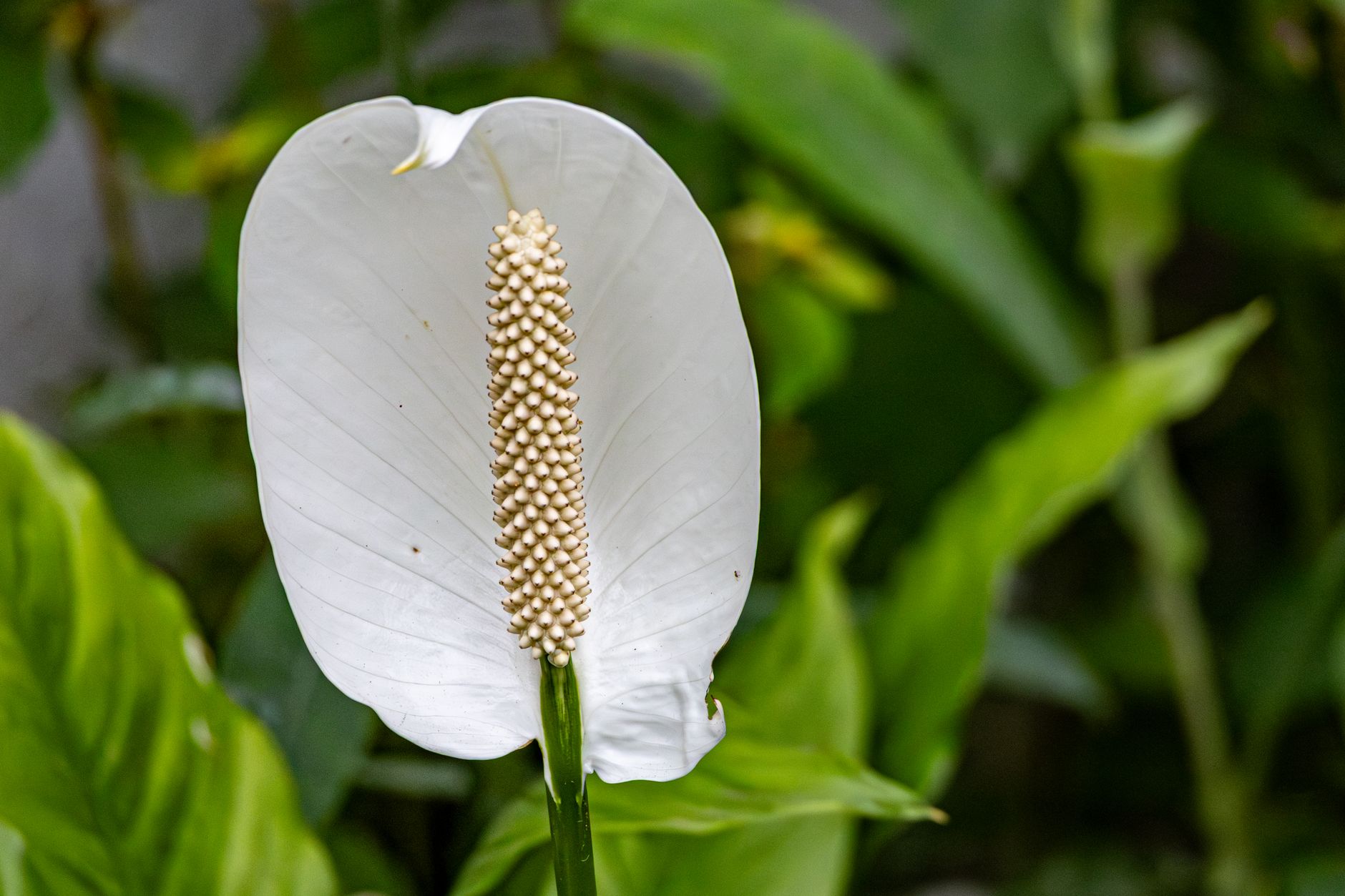 Peace lily
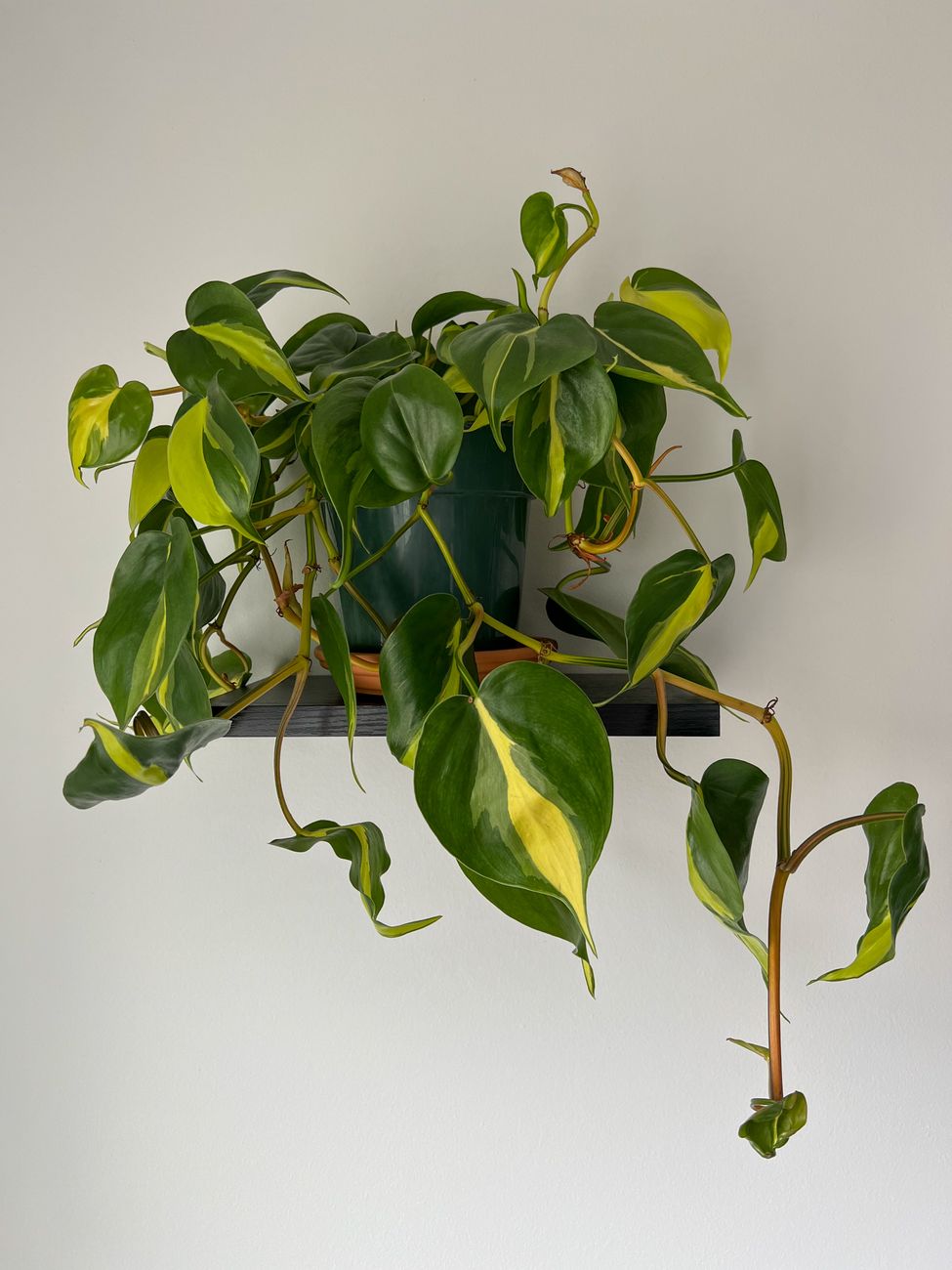 Heart-leaf philodendron
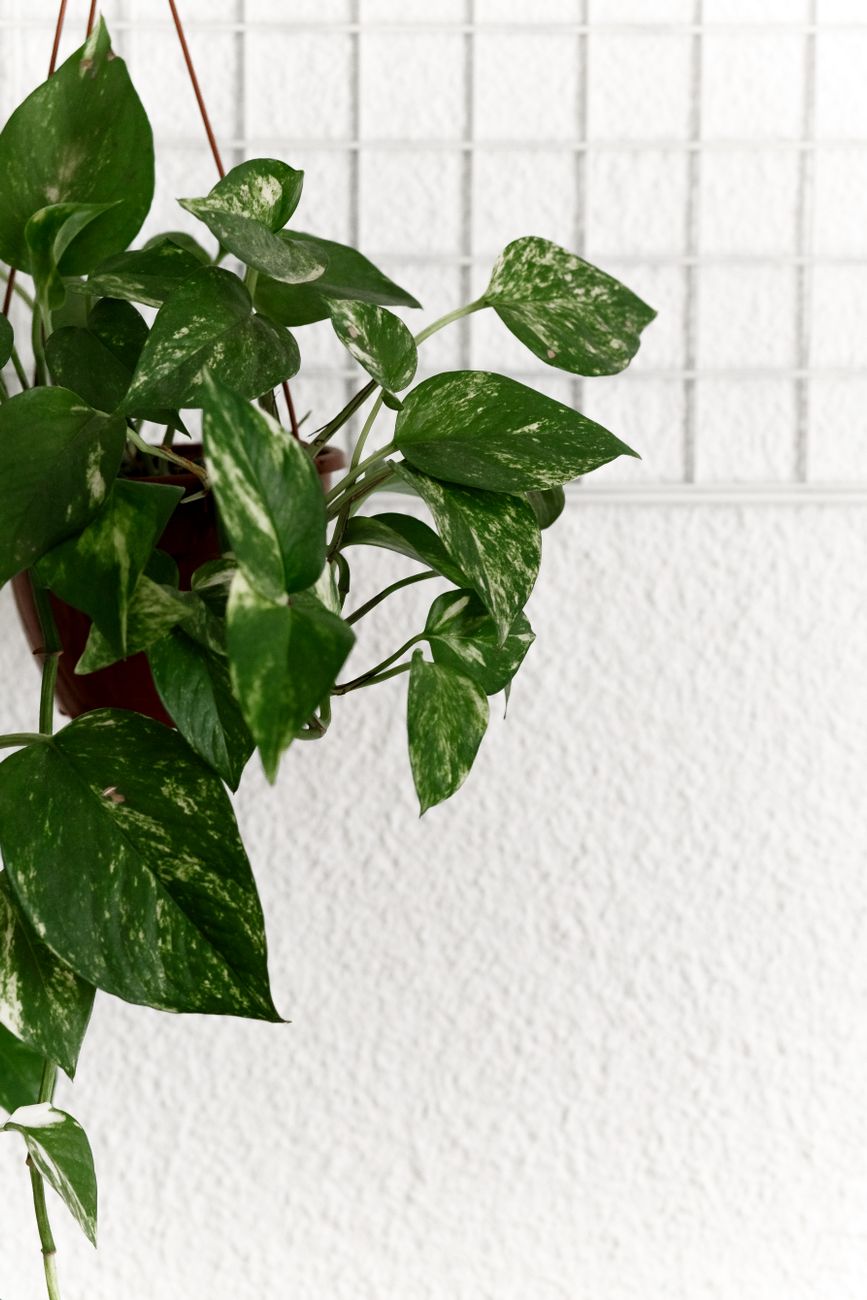 Golden pothos
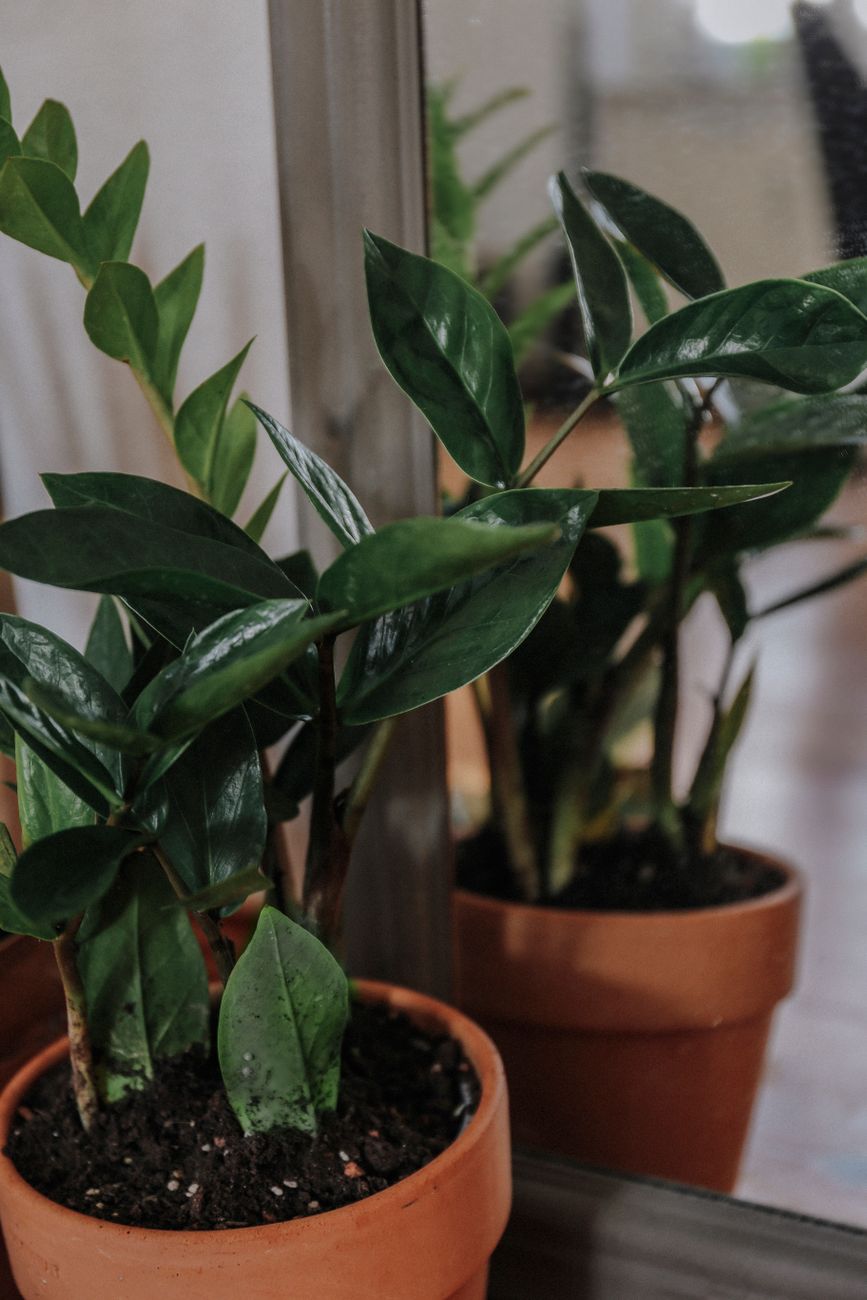 ZZ plant
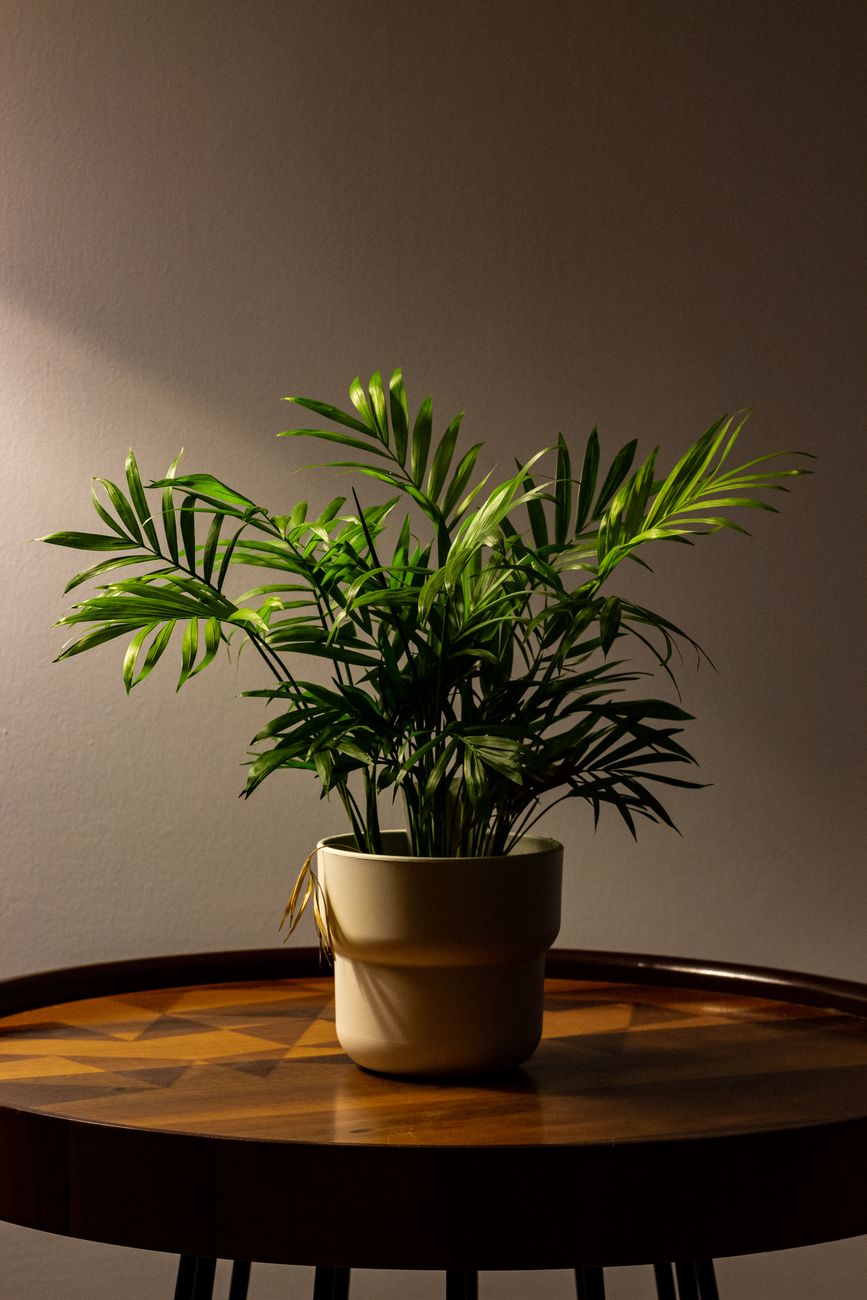 Parlor palm
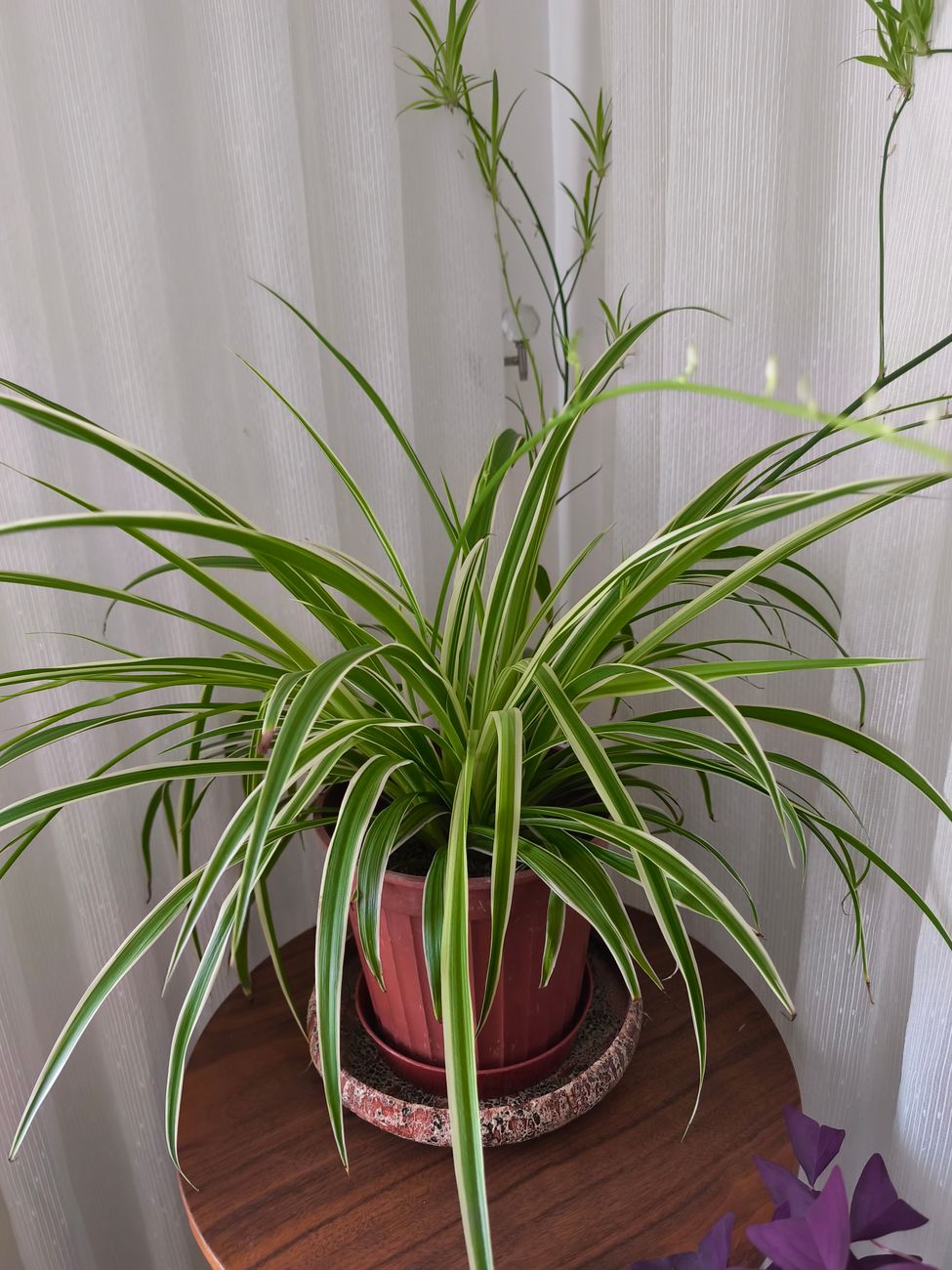 Spider plant
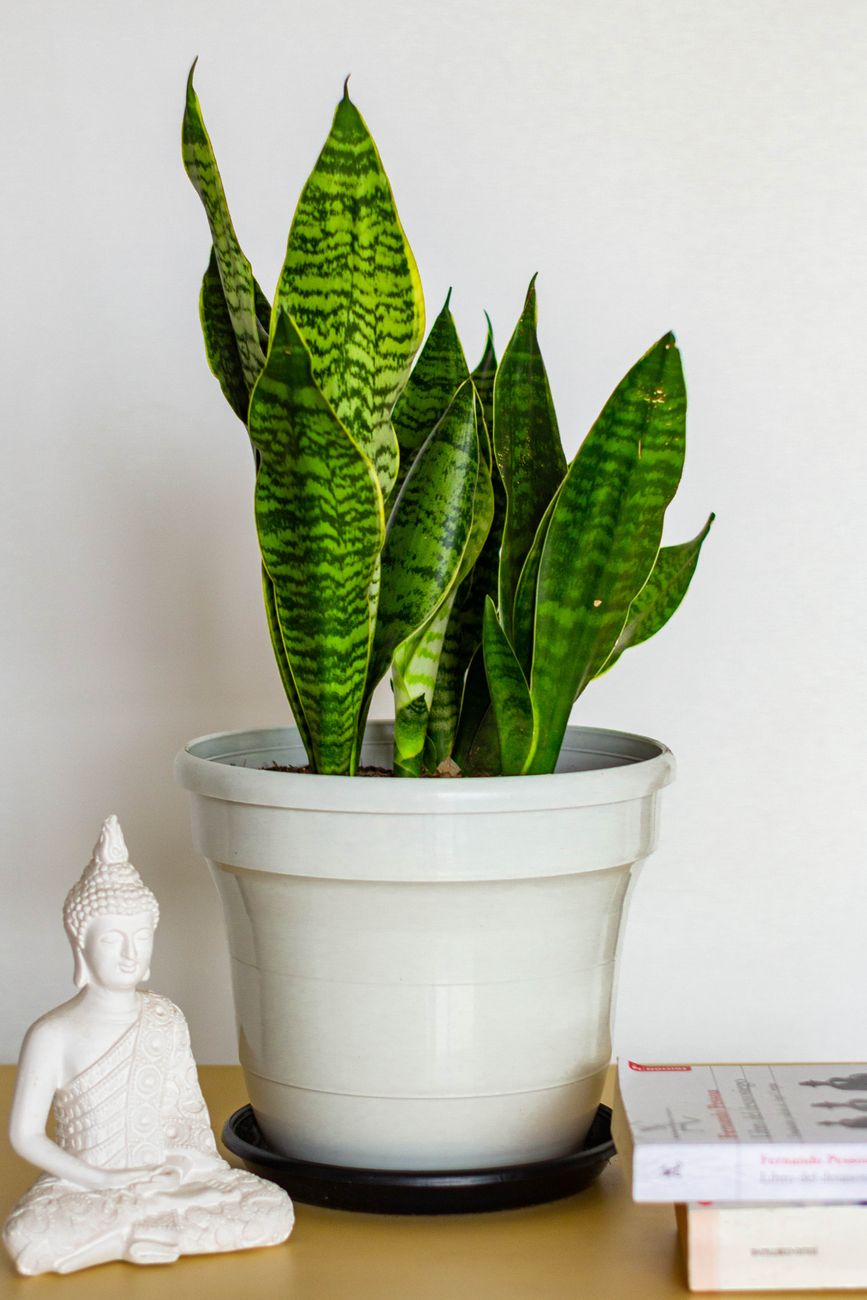 Snake plant
Short version first. If you want the list and nothing else, here it is.
- Peace lily (Spathiphyllum): soft white blooms, handles low light, the one plant nearly every feng shui practitioner allows in a bedroom.
- Heart-leaf philodendron (Philodendron hederaceum): heart-shaped leaves, trails off a shelf, forgiving about light and water.
- Golden pothos (Epipremnum aureum): the hardest to kill of the trailers. Drape it over a sharp cabinet corner and you have fixed two problems at once.
- ZZ plant (Zamioculcas zamiifolia): glossy rounded leaves, stores water in its roots, survives a dark corner and a forgetful owner.
- Parlor palm (Chamaedorea elegans): soft fronds, adds height, and it is safe for cats and dogs.
- Spider plant (Chlorophytum comosum): arching leaves, makes babies you can pot up, also pet safe.
- Snake plant (Dracaena trifasciata, sold as Sansevieria): nearly immortal, one of the few plants that releases oxygen at night. One catch, covered below.
Now the reasoning, because the list is the easy part.
Should you have plants in your bedroom?
Yes, with a cap of about three. Not because they clean your air (they do not, and we will get to that), but because the room you open your eyes in every morning is worth making feel alive.
Here is the honest version of the case for and against.
The two myths worth dropping
Myth one: plants steal your oxygen at night. Plants do respire in the dark and use a small amount of oxygen. The amount is trivial. A sleeping human uses vastly more, so if this were dangerous, sharing a bed would be the real hazard. Feng shui traditionalists sometimes repeat this one too, and they are wrong about it as well.
Snake plants and aloe actually flip this. They use a type of photosynthesis called CAM, which means they take in CO2 at night and give off a little oxygen while you sleep. It is real botany. It is also a very small amount, so buy a snake plant because it is impossible to kill, not because you think it is an oxygen tank.
Myth two: houseplants purify your air. This one comes from a 1989 NASA study that tested plants in sealed chambers, looking at air for space stations. It got turned into a decade of marketing. In 2019, Cummings and Waring reviewed 196 experiments across 12 studies and worked out what those chamber results mean in a real room: you would need somewhere between 100 and 1,000 plants per square meter of floor to match what your building’s ventilation already does. Opening a window for a few minutes beats every plant you own.
Say the quiet part: if your bedroom air feels stale, the fix is ventilation, not a fiddle leaf fig.
So what do plants actually do?
They work on you, not on the air.
The broader nature research is solid. Ulrich’s 1984 hospital study found surgical patients with a view of trees left about 0.75 days earlier and needed fewer strong painkillers than patients facing a brick wall. It was small (46 matched patients) but it launched a large literature on nature contact lowering stress and restoring attention.
Houseplants specifically are a weaker version of the same effect. Lee and colleagues (2015) had young adults do a transplanting task versus a computer task, and the plant task lowered diastolic blood pressure and calmed the stress side of the nervous system. Worth two caveats: it was 24 young men, and they were actively handling the plants, not just sitting near one. So “repotting something is relaxing” is well supported. “A pot on your shelf lowers your blood pressure” is a stretch.
What is left is still worth having: a living thing in your line of sight, a bit of color that is not a screen, and a small chore that has nothing to do with work. In a bedroom, that is enough.
What feng shui says (and where it splits)
Feng shui takes the bedroom more seriously than any room except the entryway, because you spend six to nine hours a night here in a passive, receptive state. That is a yin room.
Plants are the opposite. They are living wood energy: growing, upward, active, yang. Hence the split:
- The traditional lean is against. Active growth belongs in living rooms and offices, not the room where you power down. Too many plants make a bedroom restless.
- Many modern practitioners say fine. One or two soft-leaved plants add life and soften hard corners, as long as the room does not become a jungle.
Both camps agree on two things, and these are the rules actually worth following:
- Nothing spiky pointed at the bed. Cacti and hard sword-shaped leaves count as poison arrows, small sharp forms aiming sha qi at you. This is the snake plant catch: half of practitioners love it as a protective plant, the other half will not put those blades in a bedroom. Compromise: keep it, put it in a corner where the leaves are not aimed at your pillow.
- A dying plant is worse than no plant. This is the one rule every school shares. In feng shui terms a dead plant is dead qi you are decorating with. In plain terms it is a visible signal of neglect sitting in the room where you try to rest, and environments that signal neglect do measurably affect mood.
One more from the tradition, filed under symbolism: orchids in pairs are the classic bedroom plant for couples, doubling for balance in the relationship area. No evidence attached, but a pair of anything does look more settled than a lone pot, which is the same reason two nightstands beat one.
Why these seven and not the trendy ones
The list is not random. Every plant on it clears four bars.
- It survives low light. Bedrooms usually have one window and curtains you keep closed. A plant that needs bright direct sun will die slowly in there, and then you have broken rule two.
- It forgives you. Overwatering kills more houseplants than anything else. Everything on the list tolerates being forgotten for a couple of weeks.
- The leaves are soft or rounded. Rounded forms read as calmer, and the preference for curves over sharp edges is one of the most replicated findings in aesthetics research. Feng shui got to the same place with different vocabulary. In a bedroom you want the shape of the plant working with the room, not stabbing at it.
- It does not smell of anything. Strongly scented plants in a small closed room get old fast at 3am.
That is also why the internet’s favorite bedroom plants are missing here. Lavender needs more sun than your bedroom has. A fiddle leaf fig will sulk and drop leaves within a month. Both are photogenic and both usually end up as evidence of neglect.
Keeping them alive, which is the whole game
- Pots with drainage holes, always. If you love a pot with no hole, use it as a cover and keep the plastic nursery pot inside it.
- Water less than you think. Finger in the soil, first knuckle deep. Dry means water, damp means wait. In winter most of these want water every two to three weeks.
- Skip the misting in here. Bedrooms tend to have poor airflow, and constantly damp soil in a low-airflow room is how you get mold on the surface. If you see white fuzz, scrape it off, let the soil dry out properly, and water less.
- Wipe the leaves occasionally. Dust blocks light, and this is the only room where you will be lying down staring at them.
- Pets: check first. Parlor palm and spider plant are the pet safe options here. Peace lily, pothos, philodendron, ZZ plant and snake plant all cause mouth and stomach irritation when chewed.
The actual answer
Put one to three easy plants in your bedroom, in soft shapes, out of the bed’s direct line, in pots that drain. Do it because a living room feels better than a dead one, not because a listicle told you they scrub your air while you sleep.
And if a plant starts dying, deal with it that week. Every tradition and every psychologist agrees on that one.
Further reading
- Spathiphyllum · Genus of plants
- Epipremnum aureum · Species of plant
- Dracaena trifasciata · Species of flowering plant
- Zamioculcas · Species of plant
- Chlorophytum comosum · Species of flowering plant
- Crassulacean acid metabolism · Metabolic process
- NASA Clean Air Study · 1989 study of plants removing air pollutants
- Feng shui · Chinese traditional practice
- Biophilia hypothesis · Idea that humans innately seek connections with the natural world
Definitions and background from Wikipedia.
Quick questions
- Do plants steal oxygen at night?
- No. Plants do use a little oxygen in the dark, but the amount is tiny next to what a sleeping adult uses. If you share a bed with someone, they are producing far more CO2 than your pothos ever will. The myth is old and it will not die, but there is nothing behind it.
- How many plants should I put in my bedroom?
- One to three. That is enough to feel alive without turning the room into a jungle you have to maintain. Traditional feng shui warns that lots of growing plants make a yin room too active, and the practical version of that warning is the same: more pots means more soil, more watering, and more things to feel guilty about.
- Are these plants safe for cats and dogs?
- Parlor palm and spider plant are the safe picks. Peace lily, pothos, philodendron, ZZ plant and snake plant all cause mouth and stomach irritation if a pet chews them, so put those out of reach or skip them. Check the ASPCA database before you buy anything that is not on this list.